South America
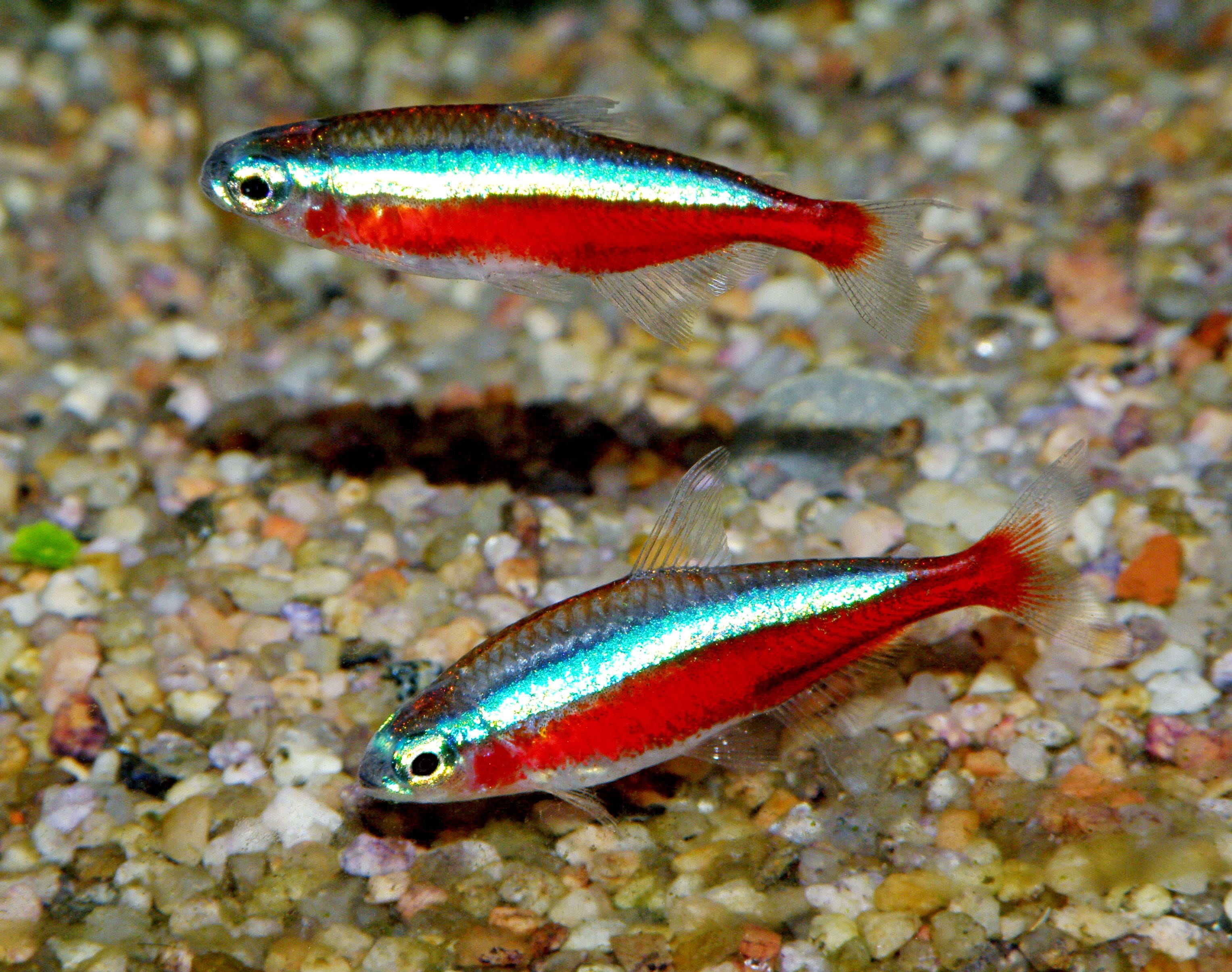
Cardinal tetra
Paracheirodon axelrodi
Temp23–29°C
pH3.5–7.5
Size3.5 cm
DietOmnivore
Swim—
DifficultyModerate
Adult tank54 L
Recommended group—
Cardinal tetra
Paracheirodon axelrodi
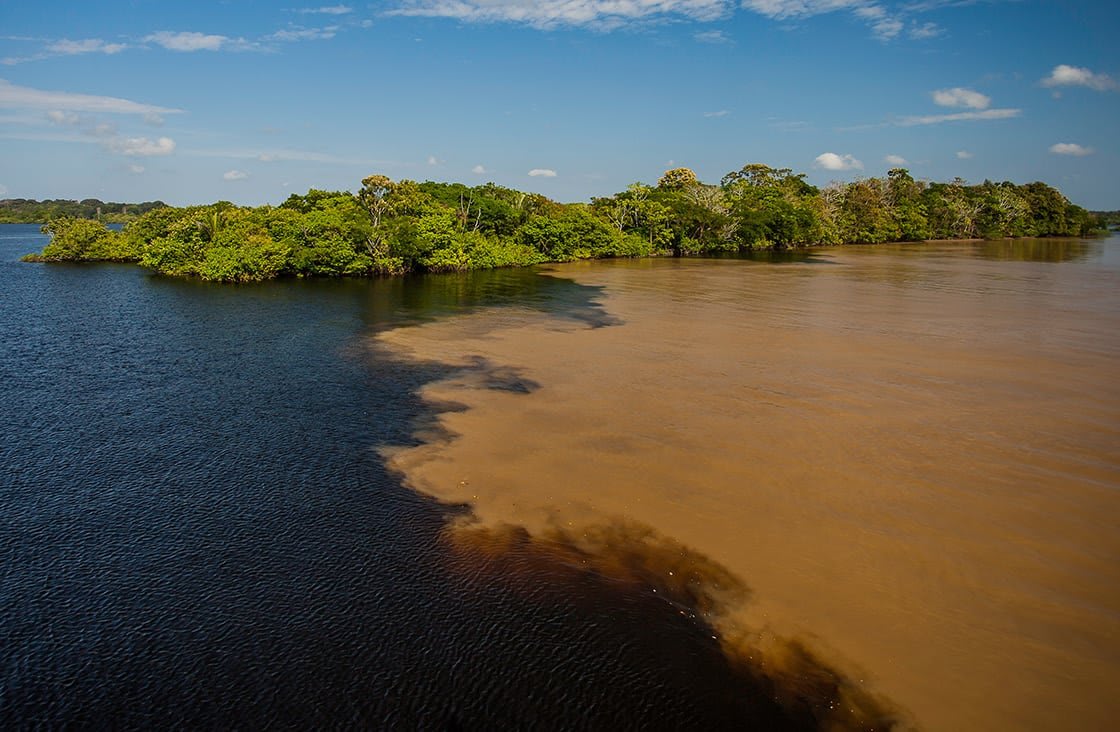
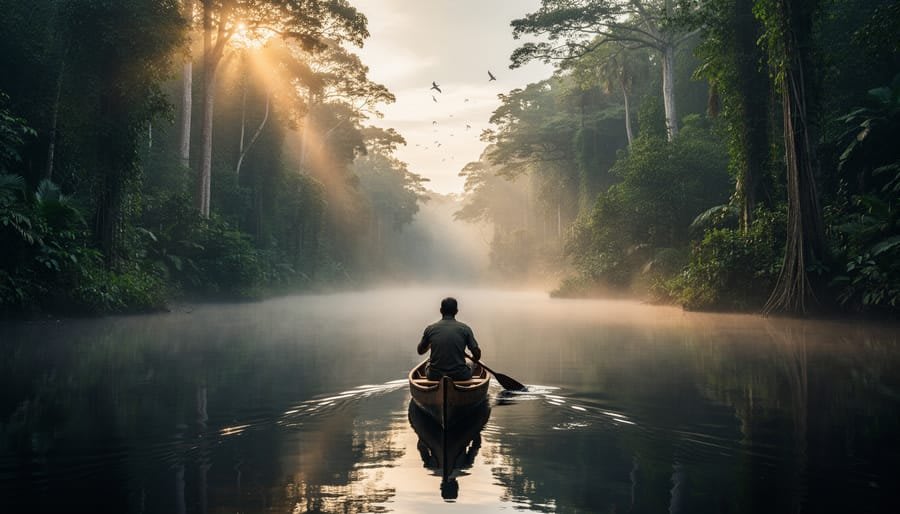
The Rio Negro meets the main Amazon stem just west of Manaus, but its source is 1,700 km north of that confluence, in the iron-rich highlands of the Guiana Shield. Tannins leach from the surrounding forest as rain filters through leaf litter and humic soil, staining the water the colour of weak black tea. Light penetration drops below 1% by 50 cm of depth — the word *blackwater* in aquarium shorthand comes from this, the swallowed sun. pH settles between 4.0 and 5.5, conductivity rarely climbs above 10 µS/cm, and the water carries almost no dissolved calcium. Day-time surface temperature sits at 26–28°C; nights at 24°C are considered cool.
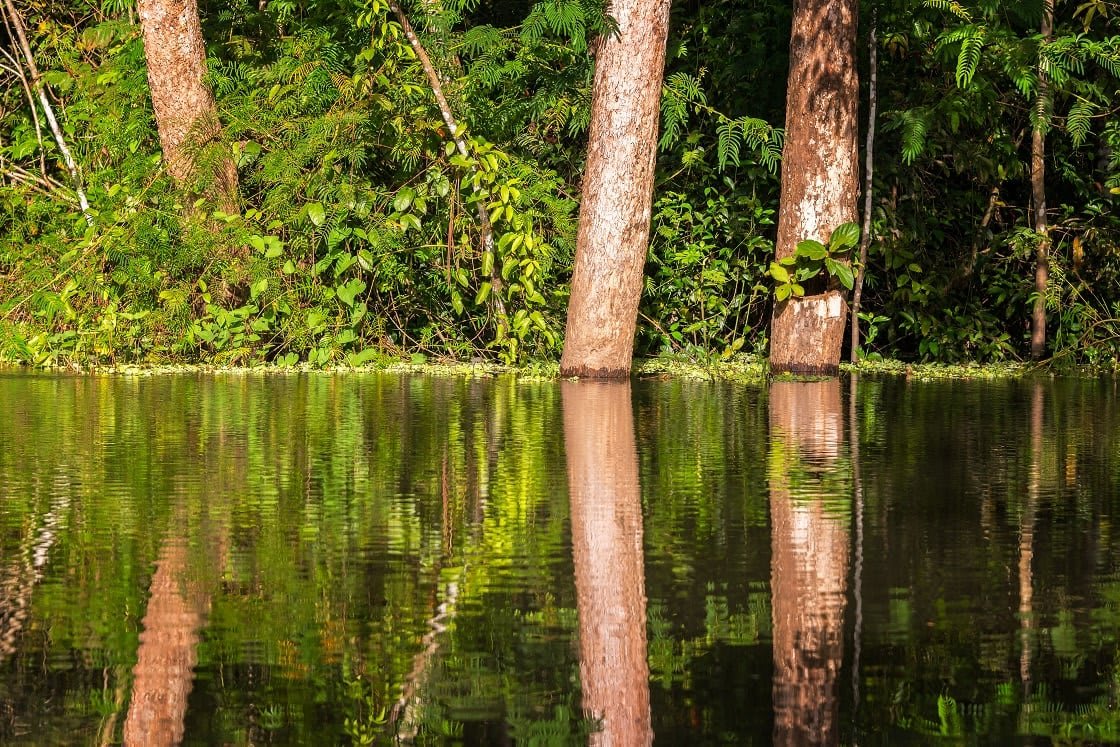
Each year the river rises 8 to 10 metres. During high water the floodplain forest — *várzea* — disappears beneath an inland sea, and characins follow the flood into the canopy, feeding on fruit that drops directly to the fish below. As the water retreats, isolated pools called *igapó* concentrate the season's spawn into shrinking volumes; herons, kingfishers and electric eels harvest the surplus. The schooling reflex of cardinal and neon tetras, the cryptic colouration of corydoras and apistogrammas, the slim profile of pencilfish slipping between flooded roots — every one of these traits is a reply to that annual cycle of plenty and pressure.
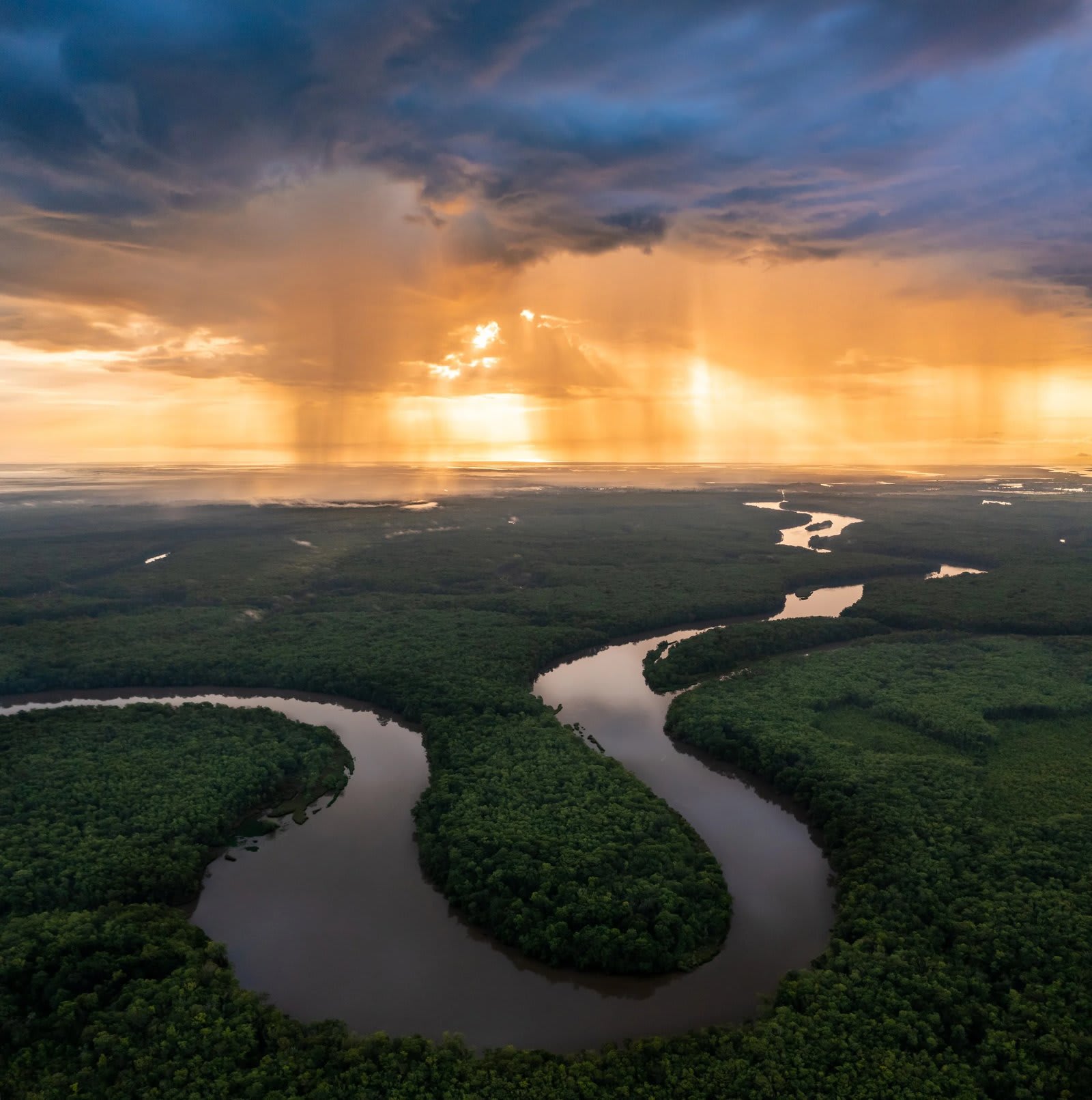
The *ribeirinhos*, river-bank communities along the Negro, still read the water level for their fishing calendar: high water for the big pirarucu, low water for turtles and arapaima fry. Upstream dams completed since the 1980s — Balbina on the Uatumã, Belo Monte on the Xingu — have dampened the flood pulse on parts of the basin, with effects that propagate downstream in ways scientists are still measuring. A 120-litre blackwater aquarium with catappa leaves, three pieces of driftwood and the light dimmed is not a copy of the Negro. But it preserves the grammar of the place: low light, soft acid, the tannic veil, and a geometry of hiding.
Sources: Goulding et al. *The Smithsonian Atlas of the Amazon* (2003); Latrubesse et al. *Geomorphology* on Amazon várzea (2008); Junk et al. *Aquatic Ecosystem Health & Management* on the flood pulse concept.
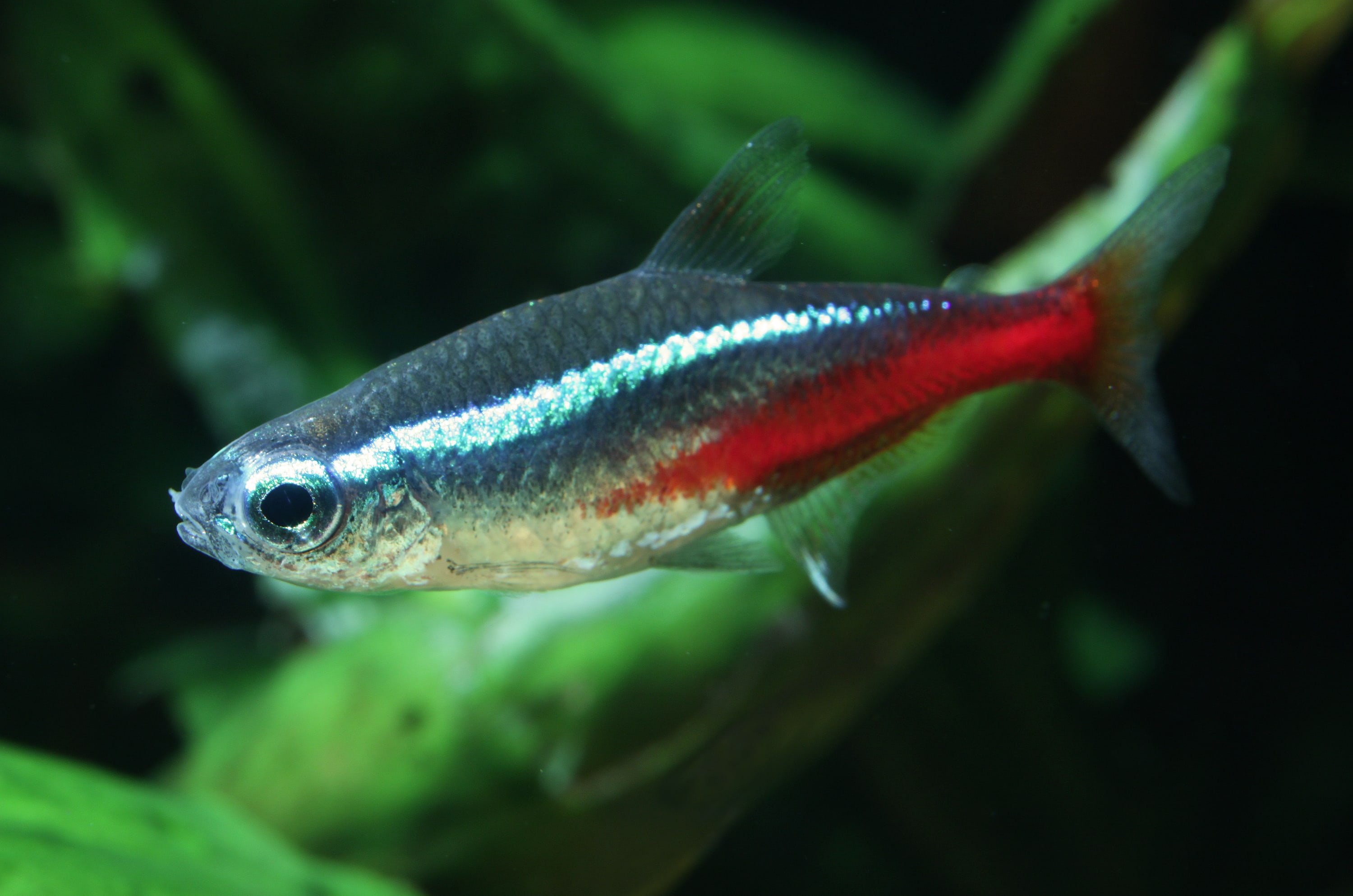
Paracheirodon axelrodi
Paracheirodon axelrodi
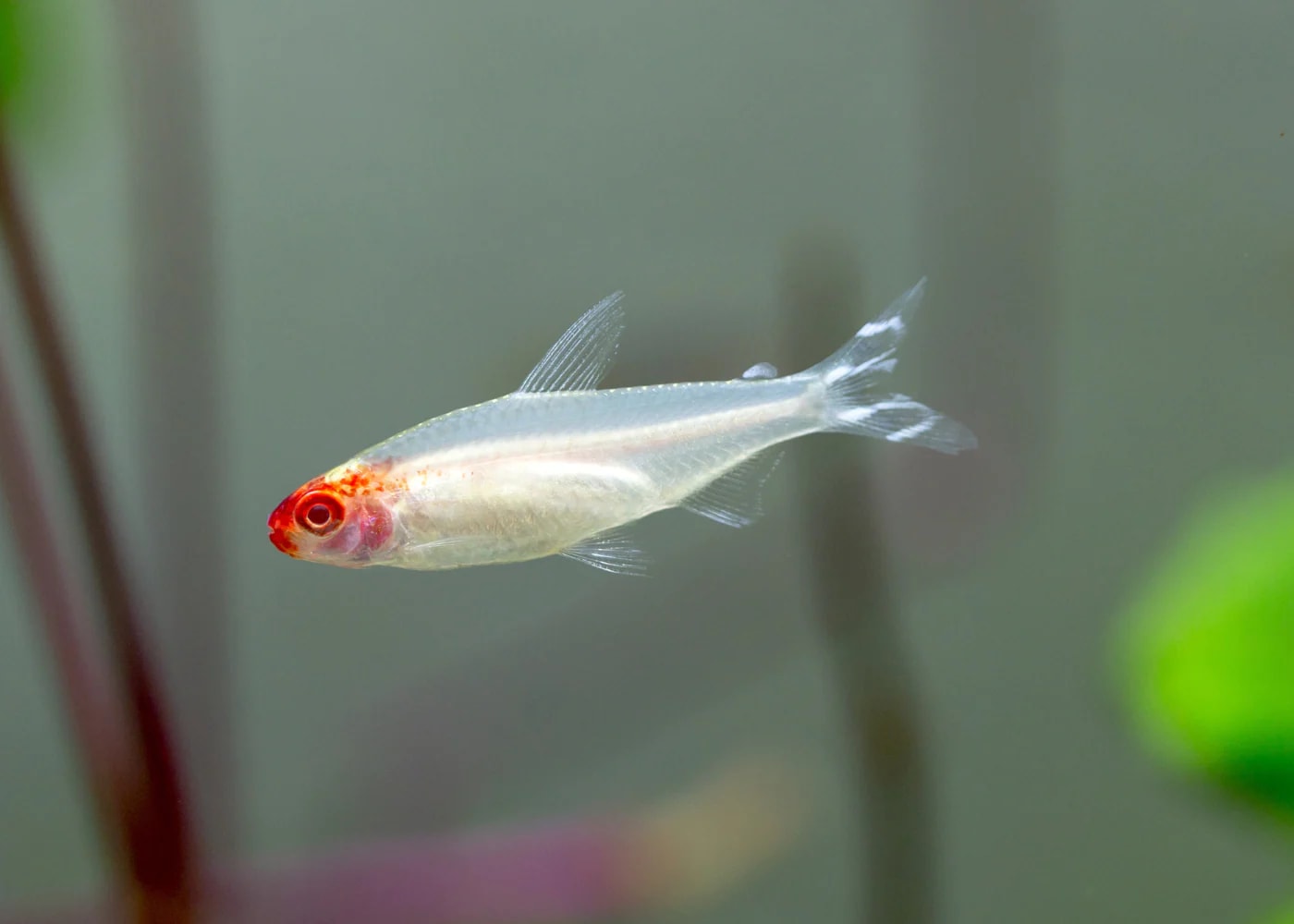
Paracheirodon innesi
Paracheirodon innesi
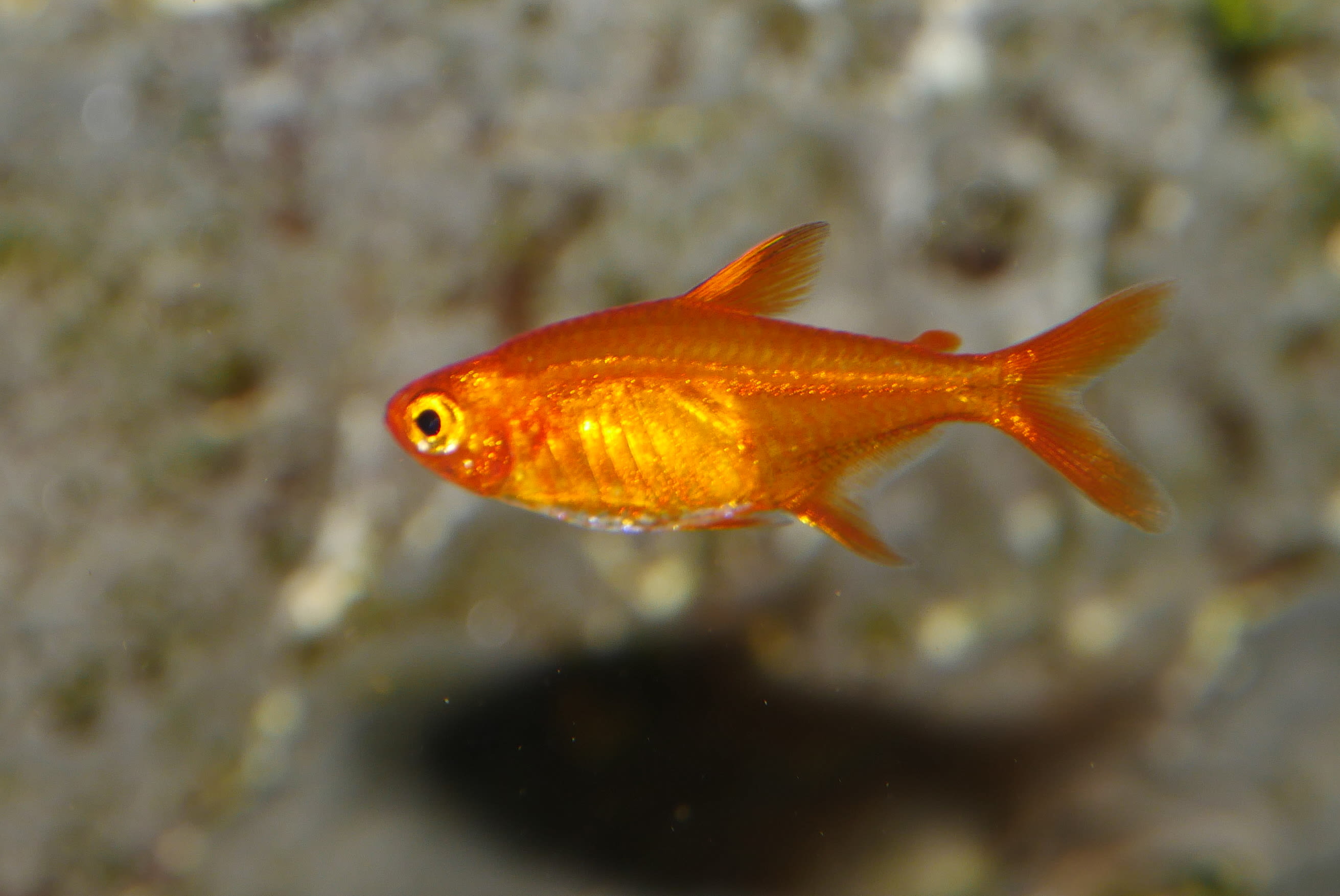
Hemigrammus rhodostomus
Hemigrammus rhodostomus
Hyphessobrycon amandae
Hyphessobrycon amandae
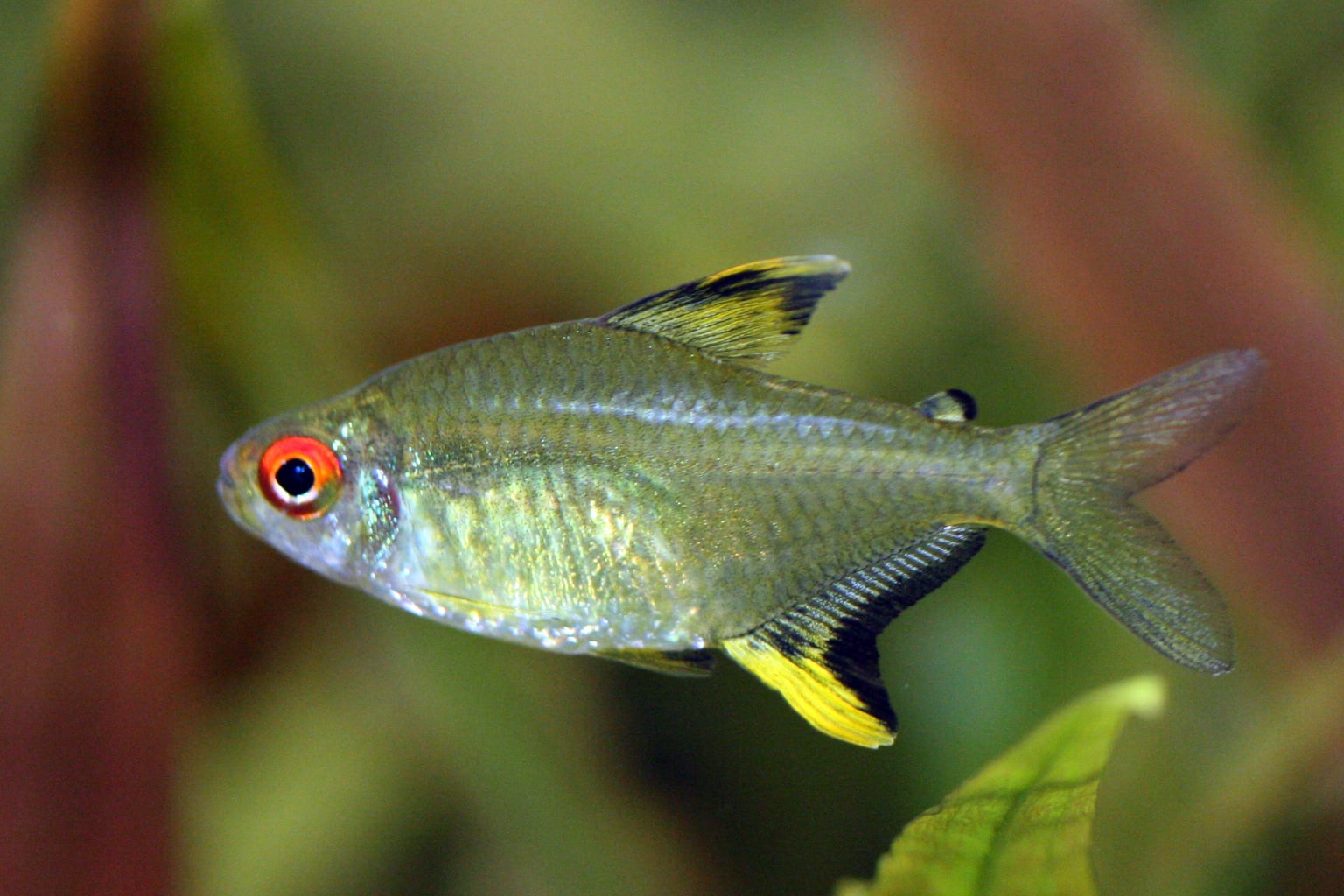
Hyphessobrycon pulchripinnis
Hyphessobrycon pulchripinnis
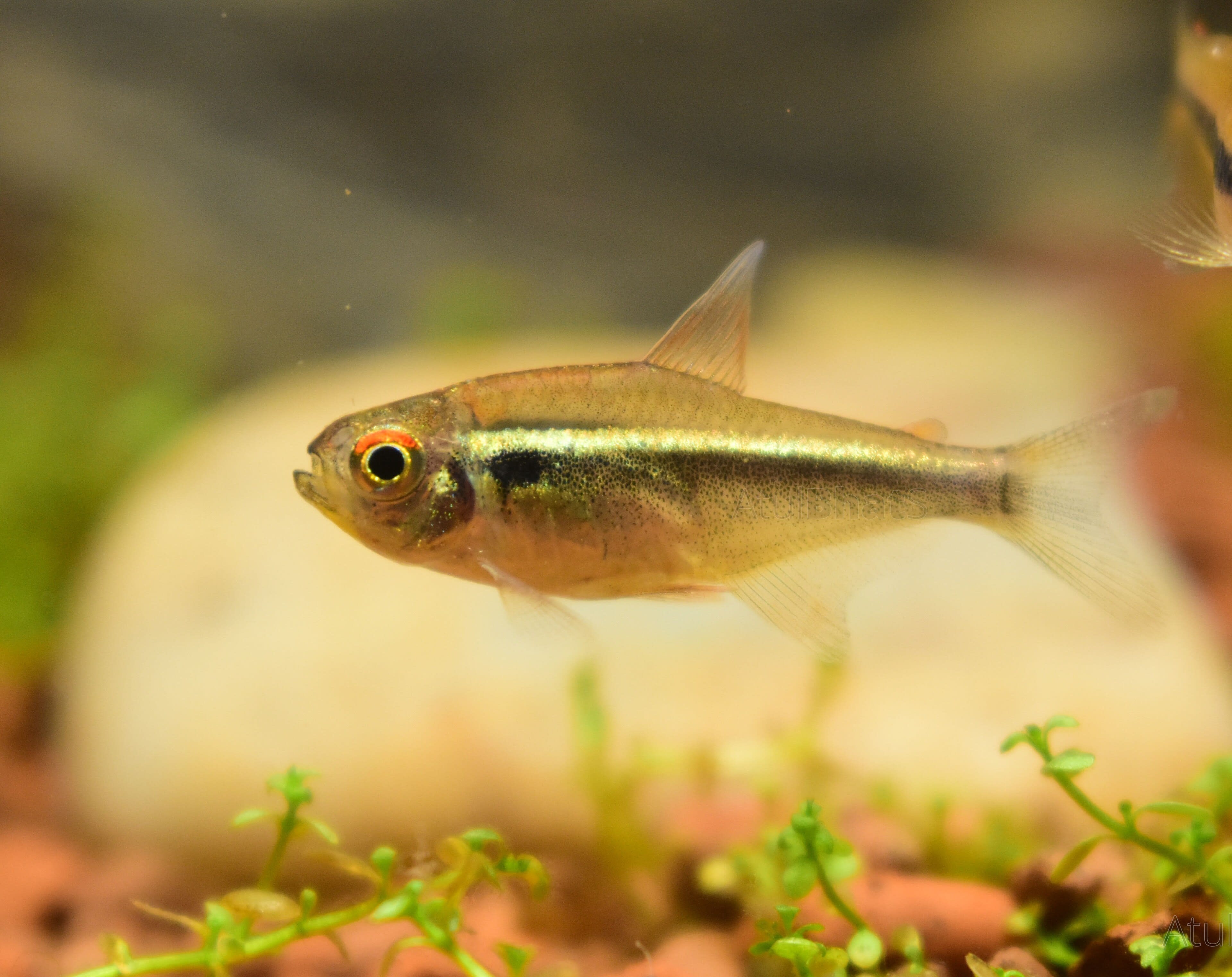
Hyphessobrycon herbertaxelrodi
Hyphessobrycon herbertaxelrodi
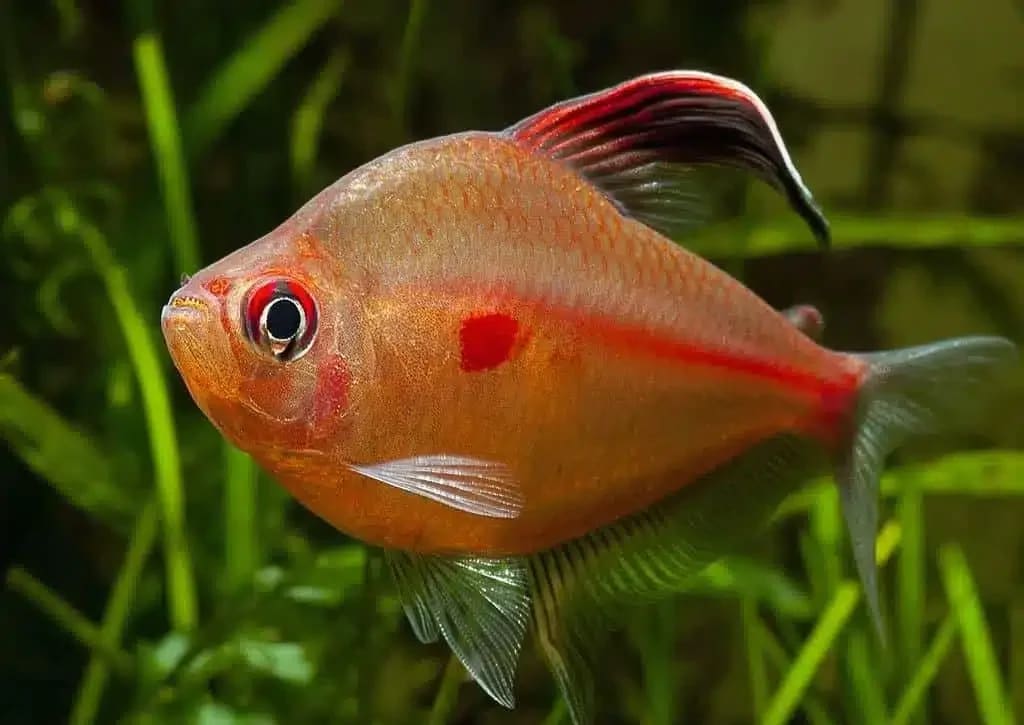
Hyphessobrycon erythrostigma
Hyphessobrycon erythrostigma
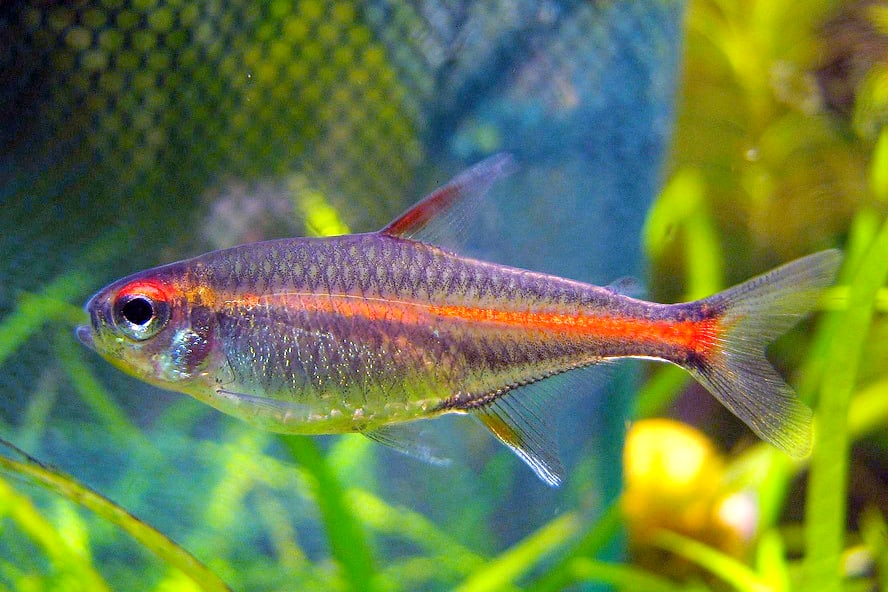
Hemigrammus erythrozonus
Hemigrammus erythrozonus
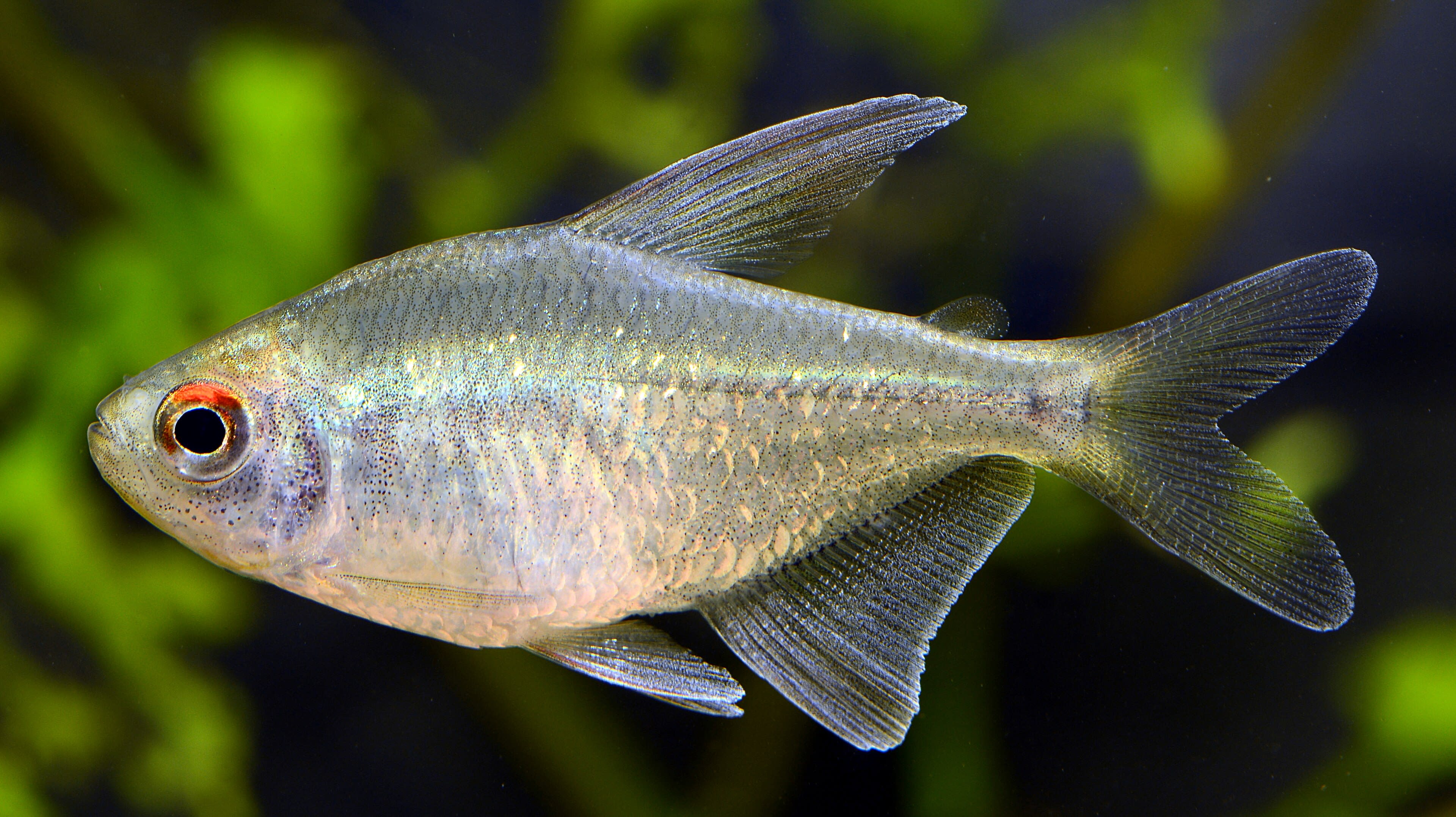
Moenkhausia pittieri
Moenkhausia pittieri

Hasemania nana
Hasemania nana
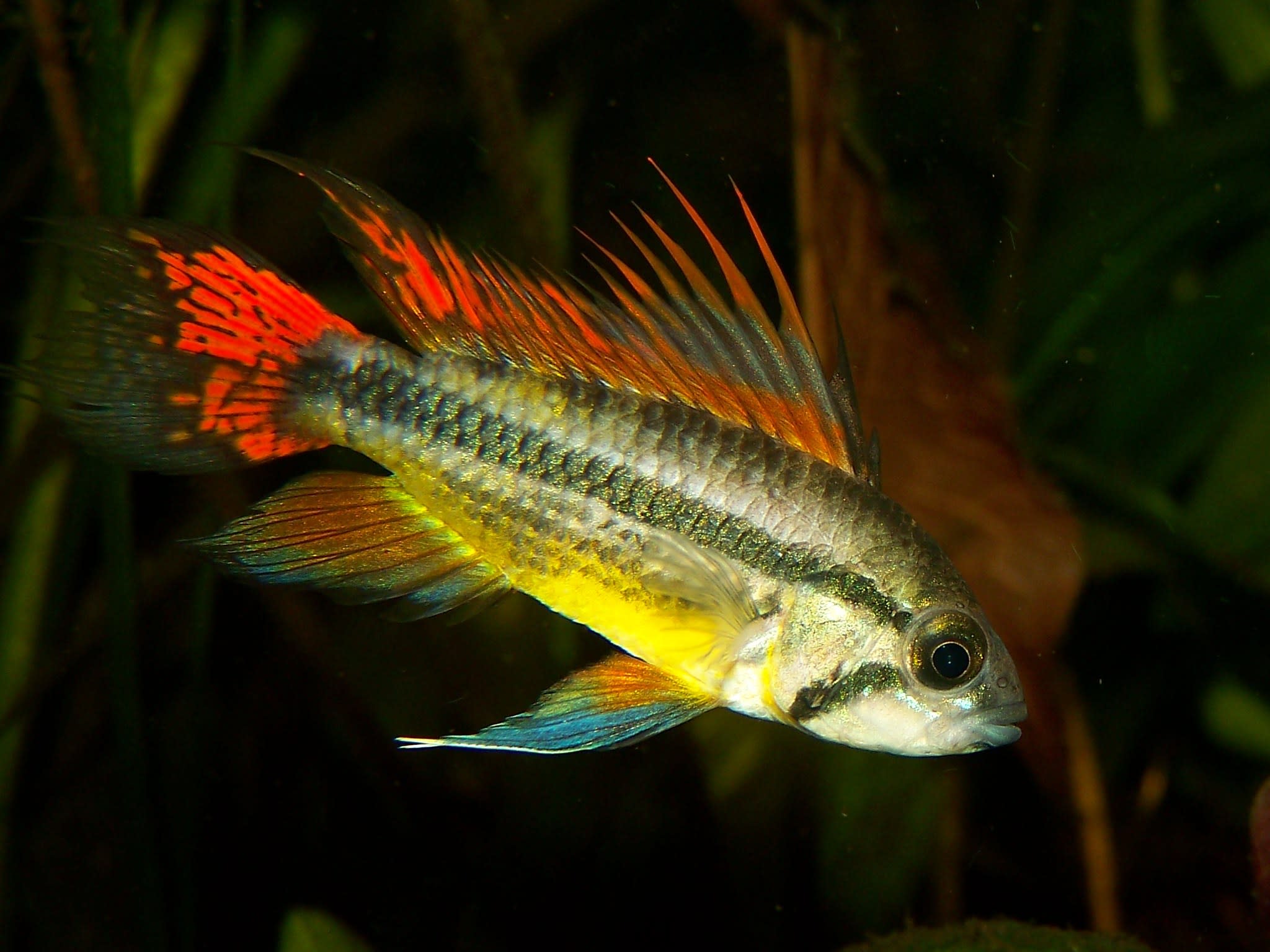
Apistogramma cacatuoides
Apistogramma cacatuoides

Pterophyllum scalare
Pterophyllum scalare

Corydoras pygmaeus
Corydoras pygmaeus

Cryptocoryne x willisii 'lucens'
Cryptocoryne x willisii 'lucens'
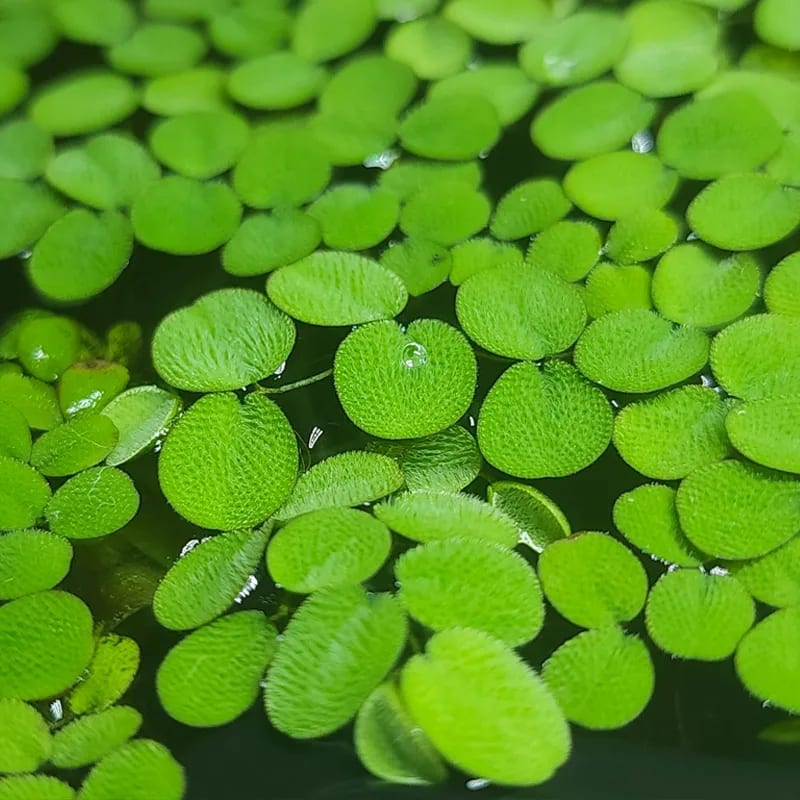
Salvinia minima
Salvinia minima

Microsorum pteropus
Microsorum pteropus