← Back to equipment catalog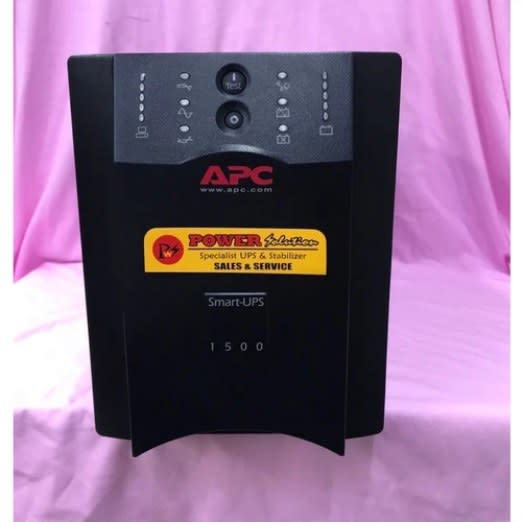
Hero image is from the maintained catalog (brand / product publicly-available assets or vetted stock). The physical product takes precedence.
Accessories
UPS backup
accessory
Used for: Tank maintenance
Description
A UPS keeps equipment running when the mains supply stops. What that is worth in a fish system is set out in FAO's guide to recirculation aquaculture, which treats power loss as the failure to plan for rather than an inconvenience. Technical failures, the guide says, can easily result in substantial losses, and alarms are vital installations for securing the operation. FAO's order of precautions is worth reading before buying anything, because the first item is not a battery. The use of pure oxygen as a back-up is the number one safety precaution on a farm: a holding tank and diffusers in every tank, and if the electricity supply fails a magnetic valve pulls back and pressurized oxygen flows to each tank. To back up the electrical supply itself, FAO writes, a fuel driven electrical generator is necessary. The reason a short outage matters is biological, not mechanical. It is very important to get the main pumps in operation as fast as possible, the guide explains, because ammonia excreted from the fish will build up to toxic levels when the water is not circulating over the biofilter, and it is therefore important to get the water flow up and running within an hour or so. FAO also puts a number on how quickly somebody has to notice: a reaction time of less than 20 minutes is recommended, even in situations where automatic back-up systems are installed. A battery unit on a tank buys part of that window for the pump and the air supply; it does not replace the alarm that tells you the power is out.
Source
Figures on this page were read off these pages. Manufacturers and databases do change or retire pages; if a link is dead, tell us with the correction link below.
Keep this species? Spot anything off?