← Back to equipment catalog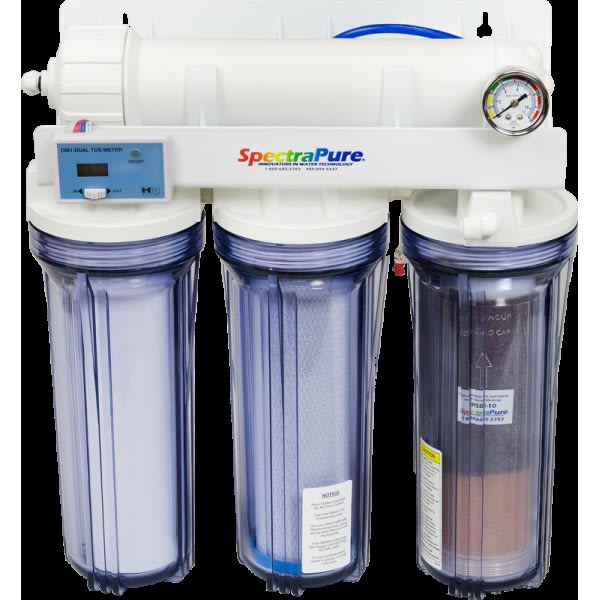
Hero image is from the maintained catalog (brand / product publicly-available assets or vetted stock). The physical product takes precedence.
Accessories
RO unit
accessory
Used for: Tank maintenance
Description
An RO unit pushes water through a reverse osmosis membrane and splits it into treated water and waste water. This row used to promise four or five stages. Nothing we found defines an RO unit by its stage count, so the name now stops at what the sources describe. The clearest public account of what an RO system should do is EPA's WaterSense overview for point-of-use units, which is written for drinking water. EPA requires RO systems to be certified to NSF/ANSI 58, the primary referenced standard in the United States for point-of-use RO systems, and the WaterSense labeling specification requires a minimum TDS reduction of 75 percent to establish a contaminant removal baseline. TDS, EPA explains, include dissolved solids such as minerals, salts, metals, and organic matter in the water. Any additional performance claims the manufacturer advertises beyond TDS must be verified, and the label EPA designed says the rest out loud: a system without verified reduction claims for a listed contaminant has not been verified to remove that contaminant. The waste water is part of the product. EPA defines the efficiency rating as the percentage of the water going into the system that becomes available to the user as reverse osmosis treated water, and the label turns it into the volume sent down the drain for every unit of treated water. The WaterSense criteria require an average percent recovery of at least 30 percent, and EPA records the trade that comes with pushing that number up: increasing the efficiency of RO systems can have a detrimental effect on the RO membrane lifespan. Certification is voluntary, too; there are no federal or state standards that require RO systems to meet these reference standards. Fish farming uses the same technology. A 2026 review of water treatment in finfish aquaculture lists reverse osmosis among membrane-based technologies that offer high-efficiency separation of suspended solids, bacteria, and nutrients, although they are often associated with higher energy and maintenance costs. Neither source says what TDS an aquarium should start from, so this page does not.
Sources
- epa.gov — https://www.epa.gov/system/files/documents/2025-01/ws-products-ro-systems-performance-summary_508.pdf
- pmc.ncbi.nlm.nih.gov — https://pmc.ncbi.nlm.nih.gov/articles/PMC13481732/
Figures on this page were read off these pages. Manufacturers and databases do change or retire pages; if a link is dead, tell us with the correction link below.
Keep this species? Spot anything off?