← Back to equipment catalog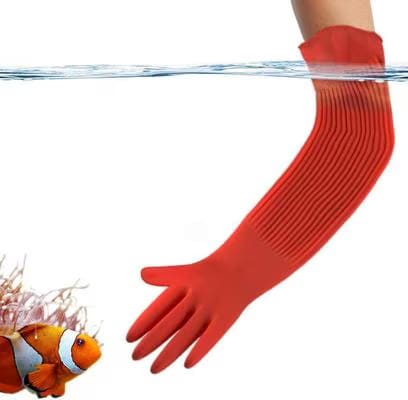
Hero image is from the maintained catalog (brand / product publicly-available assets or vetted stock). The physical product takes precedence.
Accessories
Long aquarium gloves
accessory
Used for: Tank maintenance
Description
Long aquarium gloves are waterproof gloves that reach well up the arm, worn to keep tank water off the skin. The reason the medical literature gives for wearing them is a bacterium. Mycobacterium marinum, the cause of chronic systemic infections in fish, occasionally causes granulomatous skin and soft tissue lesions in humans, the infection known as fish tank granuloma. A 2013 report on two aquarists matched the strain in their fish to the one in each patient and concluded that the aquaria were the source of infection in the case of both aquarists. The authors add that infection may be prevented by the use of waterproof gloves by persons with acute or chronic open skin lesions. A 2018 veterinary review makes the same point for anyone handling fish, recommending wearing gloves during handling and processing of fish. Length matters, and a research facility explains why. A zebrafish facility that dealt with an M. marinum outbreak made gloves mandatory, and its regular staff requested a glove with a long cuff to minimize the chance of water entering the glove at the cuff. The same report warns that materials, including gloves, which contact laboratory zebrafish systems, can leach potentially toxic materials into the water and should be tested before use. The facility chose a particular nitrile glove with a long cuff after its testing showed it was nontoxic to the zebrafish. One glove listed for fishery and aquarium use is 28 inches, shoulder length, made of PVC, and its seller says the extra long sleeve gives effective barrier protection for wrist and arm from splashes. That listing makes no claim about what its PVC releases into water, which is the question the zebrafish facility tested for. No source here names a glove material that is safe for every fish, so this page names none.
Sources
- pmc.ncbi.nlm.nih.gov — https://pmc.ncbi.nlm.nih.gov/articles/PMC3874340/
- pmc.ncbi.nlm.nih.gov — https://pmc.ncbi.nlm.nih.gov/articles/PMC6831007/
- pmc.ncbi.nlm.nih.gov — https://pmc.ncbi.nlm.nih.gov/articles/PMC4931754/
- amazon.com — https://www.amazon.com/dp/B088WXYW39
Figures on this page were read off these pages. Manufacturers and databases do change or retire pages; if a link is dead, tell us with the correction link below.
Keep this species? Spot anything off?