← Back to equipment catalog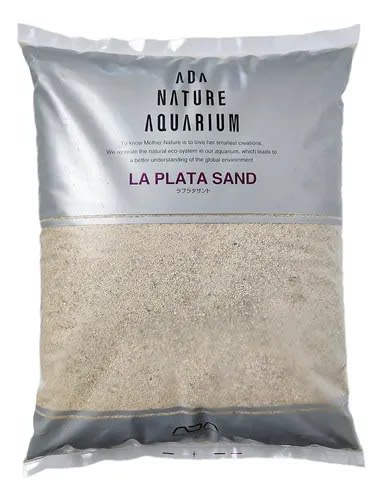
Hero image is from the maintained catalog (brand / product publicly-available assets or vetted stock). The physical product takes precedence.
Substrate
Inert white sand
substrate
Recommended tank volume: —
Performance & sizing
Core numbers for matching this unit to your tank and electrical plan.
- Power
- —
- Flow rate
- —
- Noise
- —
- Dimensions
- —
- Price range
- —
- Tank fit (L)
- —
Consumables & maintenance
Nutrient caps and soil recharge depend on plant load—re-supplement when growth slows and tests indicate depletion.
Description
This row is held over one word in its own name, and the word is inert. The material itself is real and reasonably well described. The USGS covers silica in five categories, of which industrial sand and gravel is the relevant one: high-silica sands used in applications such as glassmaking, with purity treated as a measured and graded property. High-purity quartz sits at the top of that scale at under 100 parts per million of total impurities, which works out at 99.99 % silica or better. So silica sand is a defensible description of a commodity. What that page does not do is say anything about how the material behaves in water. The word inert does not appear on it, nor does aquarium, and nothing there tests whether a given bag of white sand leaves pH, hardness and alkalinity where it found them. That behaviour is the claim this row is actually making, and it is the claim with nothing behind it. Sand sold as white is not necessarily quartz either. Carbonate sands look much the same in a bag and do not act the same way once they are wet. Citing the USGS here would document the noun and leave the claim unsourced, which is a failure this catalog has already had to correct on other rows, so this page carries no source and stays out of the index. One piece of workshop practice, offered as practice rather than as a citation, since neither source read covers it: carbonate sands fizz in vinegar and quartz sand does not. It costs nothing to check a spoonful before the bag goes into a tank.
Keep this species? Spot anything off?