← Back to equipment catalog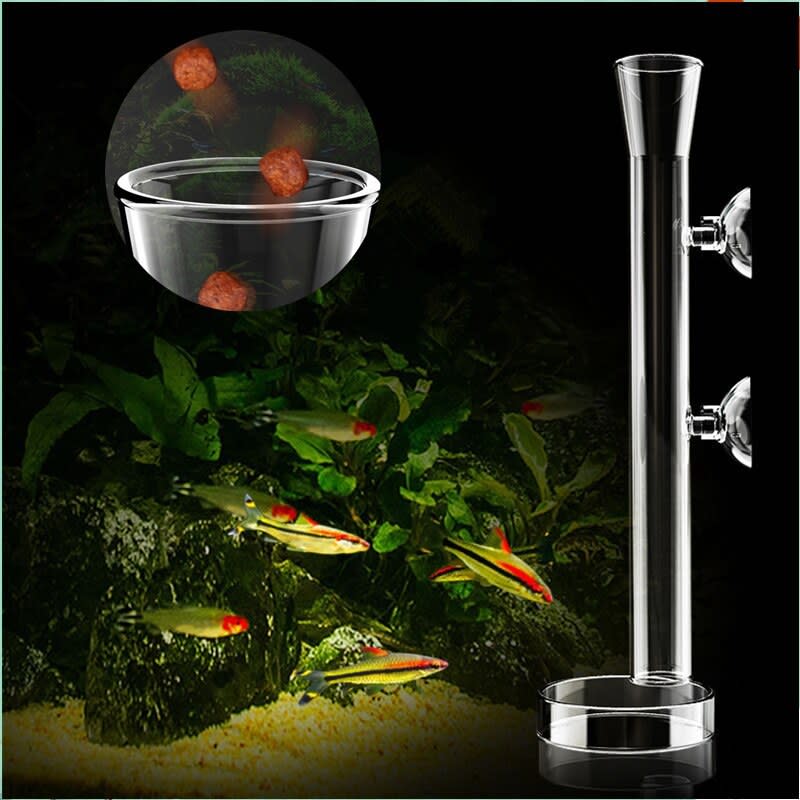
Hero image is from the maintained catalog (brand / product publicly-available assets or vetted stock). The physical product takes precedence.
Accessories
Glass feeding dish
accessory
Used for: Tank maintenance
Description
The nearest thing to a glass feeding dish in the reference literature is the feeding tray used on shrimp farms, described in the FAO manual Shrimp Culture: Pond Design, Operation and Management. According to that manual, using a feeding tray prevents feed wastage, and it lets the farmer check the animals and estimate how much they are eating from the feed left over in the tray. The tray holds part of the ration in one place. Before the next feeding the farmer lifts it and looks. If all of it was eaten, the ration is judged too small and a little is added; if feed is left over, the next ration is reduced according to how much remains. In the FAO's pond method the tray carries 5 to 10 percent of the ration and the increase is 2 to 5 percent, and the manual admits the judgement depends on the experience and skill of whoever makes it. Leftover feed matters for the water as well as for the ration. The same manual says intensive ponds need frequent water changes partly to remove contamination from decomposing uneaten food, and among its daily pond checks it tells farmers to inspect the trays to confirm the previous day's feed was eaten, and to find the reason and adjust the feeding rate if it was not. A dish gives an aquarium the same check. Food that would otherwise scatter across the substrate stays in one visible spot, so what is left after a meal can be seen and taken out. The manual's warnings travel with the method. When too little feed is given or too few trays are used, bigger and stronger shrimp keep the smaller and weaker ones from eating, and competitors can finish the feed before the intended animals reach it. Farms deal with that by combining trays with feed spread more widely. The percentages above come from shrimp ponds and show how the method works; they are not feeding amounts for a tank.
Sources
- fao.org — https://www.fao.org/4/AC210E/AC210E10.htm
- fao.org — https://www.fao.org/4/AC210E/AC210E08.htm
Figures on this page were read off these pages. Manufacturers and databases do change or retire pages; if a link is dead, tell us with the correction link below.
Keep this species? Spot anything off?