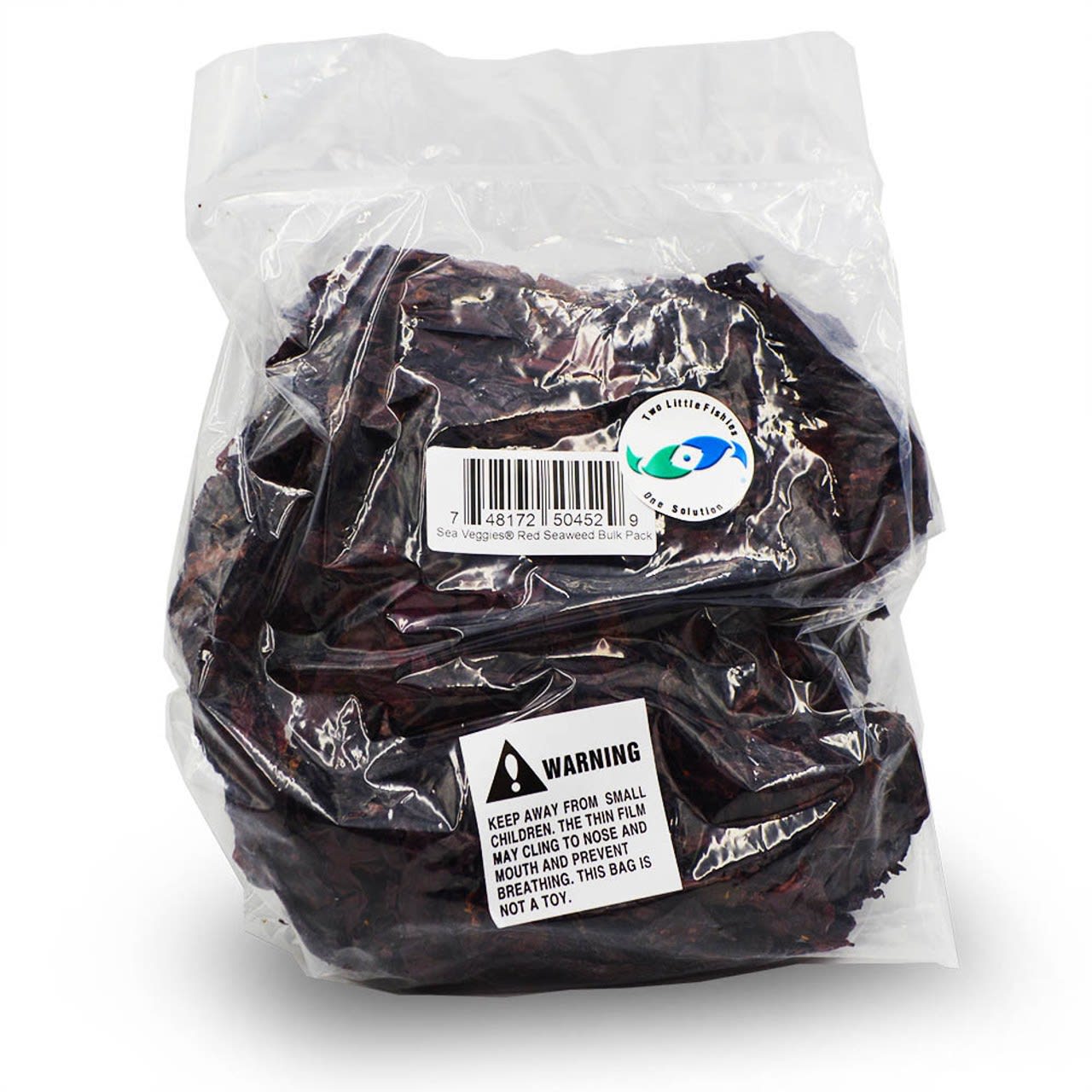
Representative photo. The product you buy may differ in size, colour or packaging.
Nori seaweed sheet
food
Used for: Tank maintenance
Description
Seaweed sheets provide a grazing food option for fish whose diets include algae. Select a product intended for the fish you keep and read its ingredients. Aquarium seaweed sheets can differ in algae type and added ingredients, so a sheet format or a “nori” name does not identify a single formulation. Ocean Nutrition’s Green Marine Algae is a dried-kelp product with garlic extract. Its green sheets are firmer than the red version, which the manufacturer describes as spongier. These differences can affect how fish graze, and the same texture should not be assumed for every sheet. A seaweed clip holds a portion where fish can reach it. Ocean Nutrition directs users to fold a piece into its clip, attach it inside the aquarium and remove uneaten seaweed after several hours. Follow the selected product’s directions for portioning and removal. Use seaweed in a diet appropriate to the species. Ocean Nutrition describes its sheets as a supplement to other food sources for balanced nutrition. Human snack seaweed is a separate product: check its actual ingredients rather than assuming seasoning, additives or dietary suitability from the appearance of the sheet.
Sources
- oceannutrition.com — https://oceannutrition.com/product/green-marine-algae/
- oceannutrition.com — https://oceannutrition.com/product/red-marine-algae/
Further reading on identification and aquarium care.
Was this page useful? Spot anything wrong?